

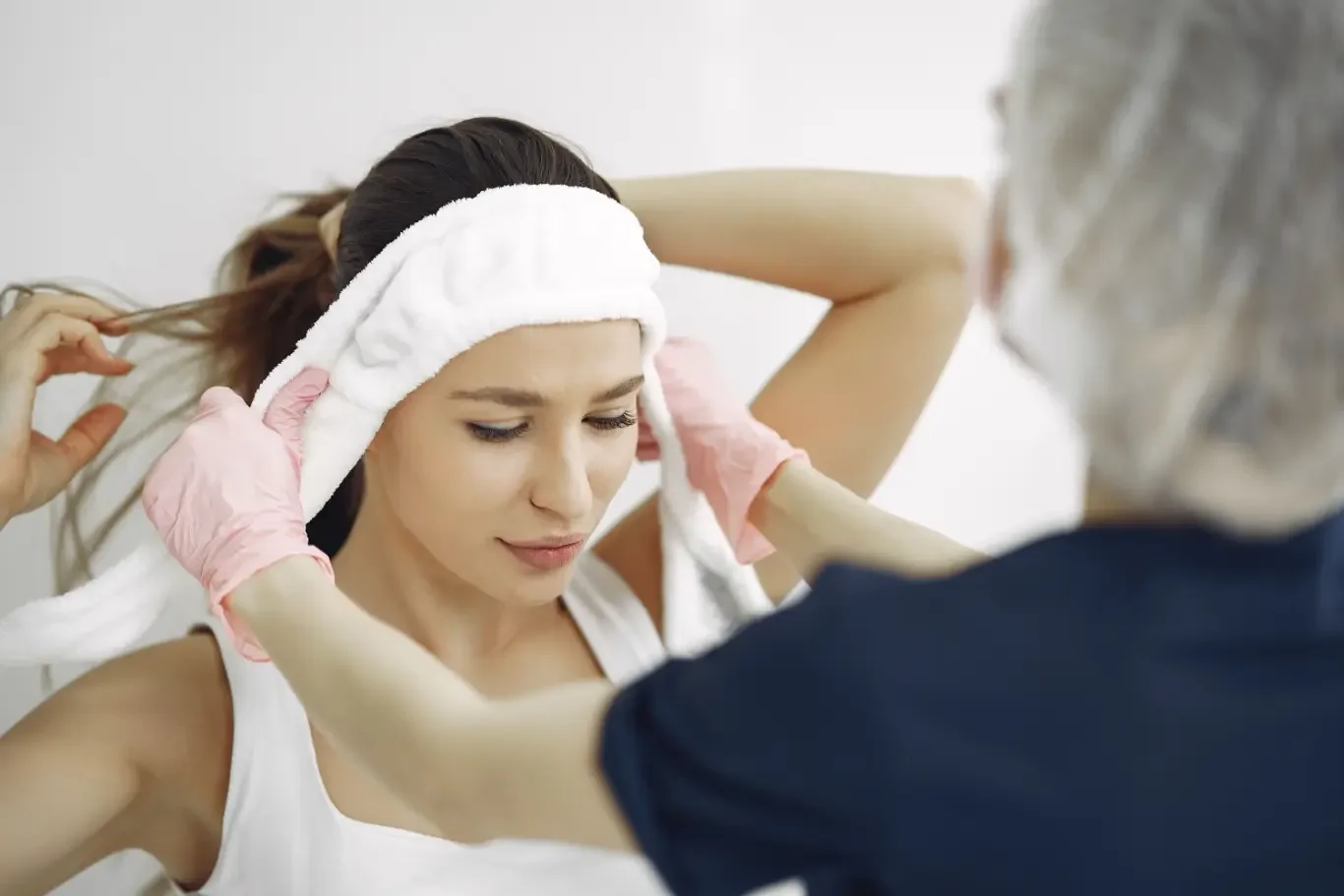
Hair Botox has no Botox in it. There is no botulinum toxin in the jar and no needle anywhere near you. The name was borrowed for a deep-conditioning treatment that fills rough, porous patches along the hair shaft with proteins and oils, then is often sealed in with heat. Hair comes out softer and glossier, and the effect usually lasts two to four months.
Where you land in that range depends mostly on what happens at home. Leave your hair unwashed and loose for the first 48 to 72 hours. After that, switch to a sulfate-free shampoo, wash less often than you're used to, keep chlorine and salt water off it, and hold off on color for about two weeks.
What is hair Botox, and why does the formula matter?
"Hair Botox" is a category, not a product. Plenty of brands sell something under the name, and they don't behave the same way once you leave the salon.
Some are protein-and-oil masks that get partly rinsed out before you go. Others work more like a light smoothing treatment and are flat-ironed at high heat to lock them in, and some contain keratin. A conditioning formula usually tolerates an early wash. A heat-sealed one needs the full waiting period and gentler handling, because water and tension can undo it before it settles.
So before you leave the chair, ask for the product name and your stylist's washing instructions. Where they differ from anything below, go with the stylist, who knows exactly what went on your hair.
There's one more naming problem. Some clinics use "scalp Botox" for real botulinum toxin injections. That is a medical treatment with its own aftercare, covered further down.
Hair Botox aftercare for the first 72 hours
The first three days are when the result is easiest to undo. Nearly every rule for this stretch serves one of two goals: keep the hair dry, and keep it from bending.
Wait 48 to 72 hours before washing
Most stylists ask for 48 to 72 hours before the first shampoo. Water swells the cuticle and opens it slightly, which gives the conditioning a way out before it has set. If your roots get oily, a little dry shampoo at the scalp will carry you to the first wash.
Water you didn't plan for counts too. A sweaty workout or a soaking in the rain can do much the same harm as an early wash, so book the appointment ahead of a few quiet days if you can.
Keep your hair down and loose
Skip ponytails and clips for the same window, and try not to tuck your hair behind your ears. On heat-sealed formulas, a tight elastic can press a dent into the hair that sets and stays until the results fade. If you need hair off your face, a soft scrunchie tied loosely is the safer compromise.
Sleep on silk or satin
Cotton pillowcases grip hair as you turn over, and the friction roughs up the cuticle the treatment just smoothed. Silk or satin lets hair slide instead. The swap is cheap and keeps helping for months, not just the first three nights.
What to avoid after hair Botox
Once the first wash is behind you, the risks change. Over the following weeks, what wears hair Botox down is mostly chemistry, and much of it comes out of bottles already in your shower.
Sulfate shampoos and clarifying washes
Sulfates such as sodium lauryl sulfate are strong detergents, and they lift conditioning ingredients along with oil and dirt. A gentle, pH-balanced, sulfate-free shampoo is the standard pick after any smoothing service. Clarifying and "deep cleanse" shampoos are harder still on it, since stripping residue is their whole job. Keep them for when your results have faded and you're preparing for the next one.
Washing every day
Each wash takes a little of the treatment with it. Two or three washes a week is the usual target. When you do wash, use lukewarm water rather than hot and work conditioner through the mid-lengths and ends.
Swimming in chlorine or salt water
Pool chlorine and sea salt both cut the life of a smoothing treatment short. If you swim, soak your hair with clean tap water first so it takes up less pool or sea water, and comb a leave-in conditioner through as a barrier. Wear a cap if you can stand one, and rinse with fresh water as soon as you're out.
Color and other chemical services
Book color first. Most stylists want about two weeks between hair Botox and any dye, so getting color done before your appointment keeps the timing simple. Bleach, perms, and relaxers need the same conversation with whoever is doing them.
Piling on protein
Many hair Botox formulas are already protein-heavy. Layer a protein mask and a keratin leave-in on top, and some hair turns stiff and starts to snap. Low-porosity hair, which absorbs product slowly, is especially prone to it. TikTok calls this protein overload. It isn't a medical diagnosis, but the stiffness is real, and the fix is to alternate with protein-free moisturizing masks rather than reach for more repair products.
Hair Botox aftercare in a Clifton Park winter
November in the Capital Region adds its own wear on top of the usual rules. None of it ruins your results overnight. A whole season of dry indoor air and wool hats is a different matter.
Indoor heat and static
Forced-air heating dries out the air indoors, and dry hair goes frizzy and staticky again sooner. A humidifier in the bedroom is worth running through the heating season, and a leave-in conditioner on the ends before you head out helps with static.
Hats and scarves
Wool rubs against hair every time you turn your head. A hat with a satin lining, or a silk scarf worn under a wool one, cuts the friction. Take the hat off once you're in a warm car or office, too. A sweating scalp under wool is the early-wash problem again, just slower.
Hard water
If your home runs on a private well or your faucets crust white, your water is probably hard. Calcium and magnesium can build up on the surface of the hair. Studies disagree on whether that weakens strands, but the dull, coated feel is easy to notice. A chelating shampoo removes the minerals. It strips the conditioning layer as well, so use it sparingly.
Is hair Botox safe? Ingredients to ask your stylist about
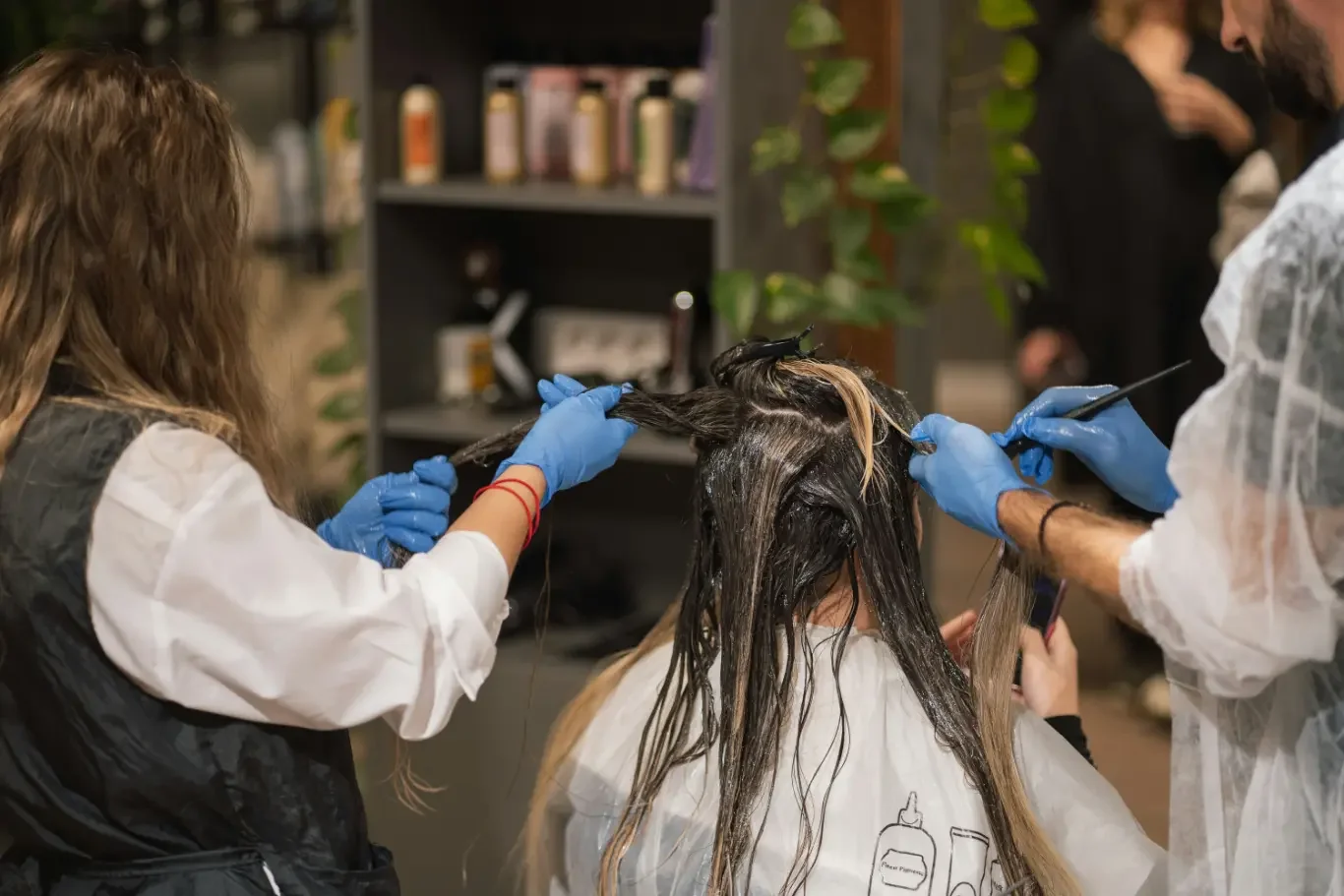
A true conditioning formula is low risk for most people. The catch is that "hair Botox" has no regulated definition, and some products sold under the name work like straightening treatments, chemistry included.
Formaldehyde is the ingredient regulators have watched longest. The FDA warns that hair smoothing products containing formaldehyde, formalin, or methylene glycol release formaldehyde gas when they are heated. The agency has been working toward a ban since 2023 and has missed its own deadline several times. Its 2026 regulatory agenda set November 2026 as the target for proposing the rule, and the draft went to the White House for review in August. Even once it is published, a proposal is not a ban.
The newer concern is glyoxylic acid, the ingredient many brands switched to so they could print "formaldehyde-free" on the label. Researchers writing in Kidney International in 2024 started from a patient who had three separate episodes of acute kidney injury, each one following a Brazilian straightening treatment with a glyoxylic acid cream. Their mouse experiments suggested the acid is absorbed through the skin and converted to oxalate, which then forms crystals in the kidneys.
Cases are rare, but the reports keep coming. A 2026 case report described a previously healthy 39-year-old woman who developed vomiting, back pain, and severe acute kidney injury three days after a chemical straightening. She recovered on steroids and supportive care, without dialysis.
So ask what's in the product before it goes on. Burning on the scalp or stinging eyes during the service means stop. Nausea, vomiting, or pain in your back or sides in the days after a smoothing service means see a doctor and tell them exactly what was put on your hair.
Scalp Botox aftercare for injection treatments
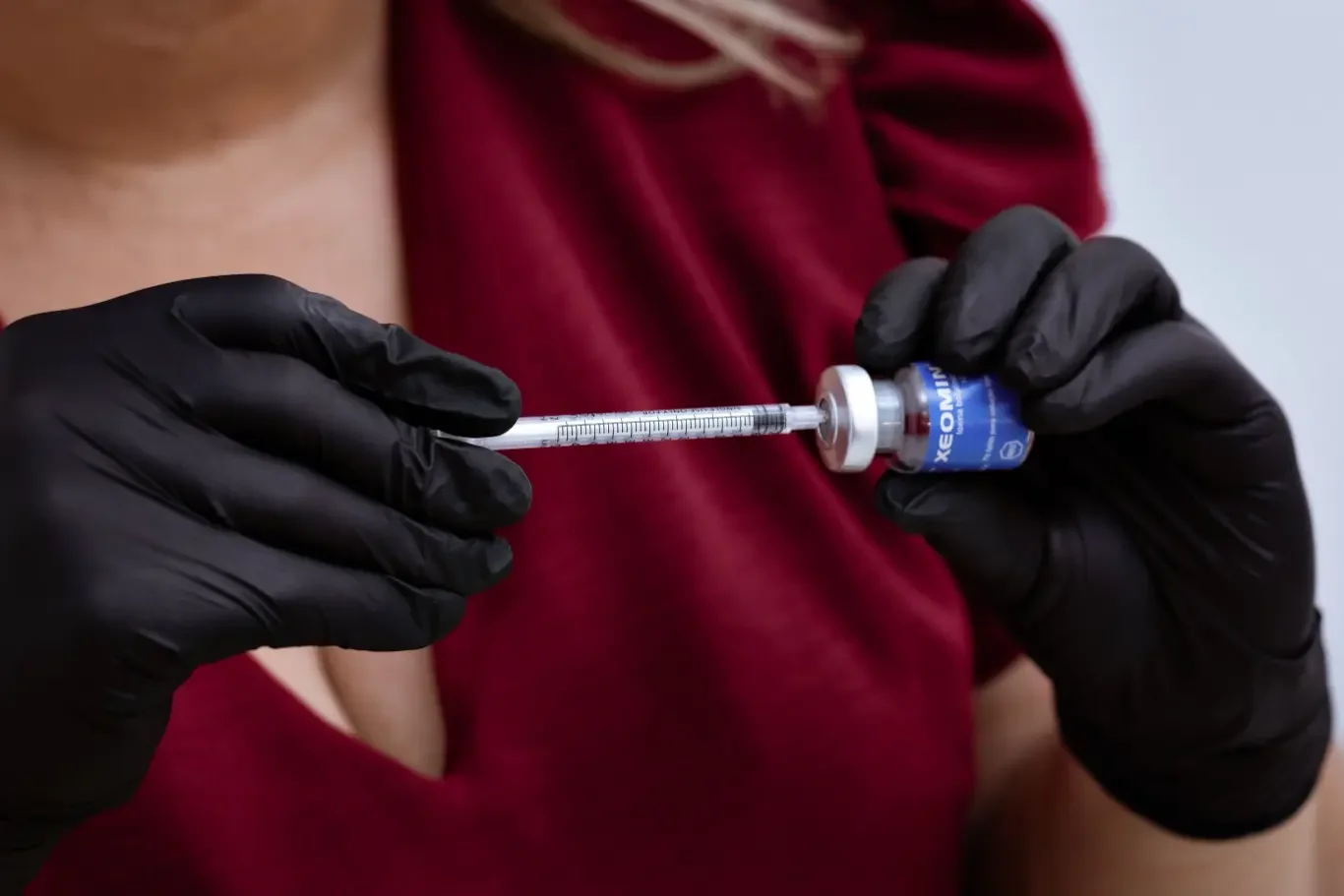
Some people searching for hair Botox aftercare had a needle, not a mask. Scalp Botox is real botulinum toxin, injected into the skin of the scalp to cut down sweat and oil, often so that blowouts last longer. The evidence so far is small. In a randomized, placebo-controlled trial published in Aesthetic Surgery Journal, with 49 patients completing follow-up, one session of intradermal injections lowered scalp oil at one and three months. By month four, the difference from placebo was gone.
Aftercare follows injectable rules, not salon rules. Don't rub or massage the scalp, and hold off on shampooing and tight hats for the first few hours. Skip strenuous exercise for 24 hours. Expect some tenderness, too, since the scalp is thicker than facial skin and injections there tend to sting more. Less sweat also means less cooling, because sweating is how the scalp sheds heat, so ease back into hot workouts and summer weather.
As with any neuromodulator, your injector's instructions come first. If you want to understand how the same medicine works on the face, our guide to botox treatment in Clifton Park covers what an appointment involves.
Hair Botox or hair restoration? Signs the problem is your scalp
Hair Botox works on hair that has already grown. It can make damaged lengths look and feel healthier, but it never reaches the follicle, so it can't make hair grow in thicker. A widening part, a ponytail that feels thinner in your hand, or scalp showing where it didn't before are follicle problems, and conditioning can't fix them.
That is where Iridium's hair restoration treatments come in. Romana Amjad, MS, NP-BC, starts with a scalp assessment, and depending on what she finds, the plan may include PRP hair restoration, scalp microneedling, exosome-supported treatments, or AquaFirmeXS™ scalp treatments. Thinning sometimes has a medical cause, such as a thyroid problem or low iron, and the assessment looks for those first. If you can't tell whether your hair needs repair or regrowth, book a consultation at our Clifton Park office.
FAQs
How long does hair Botox last?
Usually two to four months. A first treatment often fades sooner than the ones after it, and the rest depends on the formula and on your aftercare.
Can I use a flat iron or blow dryer after hair Botox?
Yes. Heat is part of the service itself, and smoother hair often shortens your styling time afterward. Keep irons at a moderate setting and use a heat protectant, because too much heat works against a treatment meant to repair damage.
Is hair Botox the same as a keratin treatment?
Not quite, though the line blurs. Keratin treatments are designed to straighten and tend to be the more lasting of the two. Hair Botox is mainly conditioning, keeps more natural movement, and won't fully straighten curly hair. Some hair Botox products do contain keratin, so the label matters more than the menu name.
How soon can I get hair Botox again?
Wait until the first treatment has worn off. Stylists generally want the old layer gone before a new one goes on, and booking too soon is the quickest route to protein overload.
Can I do hair Botox at home?
You can buy kits online, some of them the same masks salons use. What you give up is control over application and the heat-sealing step. If you go that route, read the ingredient list first. The FDA discourages using smoothing products with formaldehyde-related ingredients at home.
